
Yet, installing a home charger is not always straightforward. Between technical barriers such as electrical capacity and compatibility, and logistical hurdles like installation location, permits, and costs, Saudi homeowners face multiple considerations. In this article, we’ll explore these challenges in depth and provide practical, future-ready solutions to help EV owners confidently power their journeys.
As electric vehicle (EV) adoption accelerates across the globe, Saudi Arabia is no exception. Driven by Vision 2030 and its commitment to sustainability, the Kingdom is actively promoting EV adoption through infrastructure investments and regulatory support. For EV owners, the ability to charge at home is not just a convenience—it is a necessity that ensures daily usability and cost efficiency.
1. Technical Challenges – What’s Hiding Behind the Walls
Electrical Capacity at Home
The biggest hurdle for many Saudi homeowners is whether their property’s electrical infrastructure can handle the additional load of an EV charger.
- In older homes or apartments, the existing electrical panel may not support the 7–22 kW required for Level 2 chargers.
- Some households will need to upgrade their panel, install a dedicated meter, or implement load management systems to prevent power outages.
Without these upgrades, EV charging could interfere with everyday appliances, create circuit overloads, or even pose fire hazards.
🔌 Charger Compatibility – One Size Does Not Fit All
Not all EVs are created equal. Different models support different:
- Charging levels (AC Level 1, AC Level 2, DC Fast).
- Connector types (Type 2, CHAdeMO, CCS, Tesla).
Choosing the wrong charger can lead to inefficient charging speeds, wasted money, or safety issues. Matching the charger with the vehicle’s exact specifications is critical for optimal performance.
Safety Standards – Protecting Your Home and Car
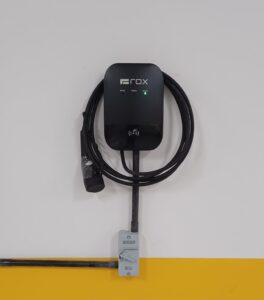
A safe charging system is more than just plugging into the wall. Home chargers must include:
- Surge protection against voltage spikes.
- Overheating prevention mechanisms.
- Weatherproof casings for outdoor setups.
- A dedicated circuit breaker to isolate the charger.
Think of these as the seatbelts and airbags of your EV charging station—essential safeguards for daily reliability.
2. Logistical Challenges – Beyond the Technical Wires
Installation Location – Where Will It Go?
For villa owners, installing a charger in a garage or driveway is relatively simple. But for residents in apartments, towers, or shared housing, installation becomes more complex. Running wiring from the main panel to a designated parking space often requires coordination with building management, electricians, and even neighbors.
Installation and Maintenance Costs
Installing a home charger in Saudi Arabia involves multiple costs:
- Charger hardware – Level 2 chargers range from 3,000 to 6,000 SAR, while Ultra-Fast chargers can exceed 20,000 SAR.
- Electrical work and cabling – depends on the home’s layout and wiring distance.
- Panel upgrades or infrastructure improvements – can significantly add to the total.
- Ongoing maintenance – although minimal, it includes inspections, software updates, or replacement parts.
While the upfront investment may seem high, the long-term savings on fuel and maintenance compared to traditional vehicles can offset the cost within a few years.
Permits and Compliance
In Saudi Arabia, installations must align with national safety codes and may require coordination with the local electricity provider (Saudi Electricity Company). Obtaining permits, inspections, and compliance approvals can delay installation if not handled correctly.
3. Practical Solutions – How to Overcome These Barriers
Conduct a Professional Site Assessment
Before purchasing a charger, hire certified technicians to perform a technical assessment. This reveals:
- Whether your electrical system can handle the charger.
- The best location for safe installation.
- Potential upgrade costs upfront.
Work with Certified Installers
Choosing a professional company ensures compliance with Saudi regulations and avoids costly mistakes. Many certified installers also provide warranty coverage and aftercare services.
Invest in Smart Charging Technology
Modern chargers come equipped with features like:
- Load balancing to prevent overloading circuits.
- Energy optimization to charge during off-peak hours and save costs.
- Mobile apps for real-time monitoring and scheduling.
Smart chargers not only increase safety but also future-proof your investment as EV adoption grows.
Explore Incentives and Government Programs
Under Vision 2030, Saudi Arabia is investing in EV infrastructure development. Future programs may include subsidies for home chargers, tax incentives, or support for solar-powered charging stations. Staying informed allows homeowners to take advantage of cost-saving opportunities.
4. Looking Ahead – The Role of Home Charging in Saudi Arabia’s EV Future
Home charging is not just about individual convenience—it plays a strategic role in the Kingdom’s clean energy transformation. By equipping homes with reliable charging systems, Saudi Arabia can:
- Reduce dependence on fossil fuels.
- Enhance the efficiency of national EV adoption.
- Support the integration of renewable energy sources, such as solar-powered home charging units.
Moreover, smart home chargers connected to national grids could help create intelligent energy networks, balancing electricity demand and supply across entire cities.
Conclusion – Powering Saudi Arabia’s EV Revolution from Home
Installing a home EV charger in Saudi Arabia comes with both technical and logistical challenges. But with proper planning, expert installation, and smart technology, these obstacles can be transformed into opportunities.
For homeowners, the payoff is significant: lower long-term costs, unmatched convenience, and alignment with the Kingdom’s sustainability goals.
👉 At LoopGate, we provide end-to-end home charging solutions—from consultation and site assessment to professional installation and aftercare. With us, you can power your EV journey with confidence and be part of Saudi Arabia’s clean mobility future.