

The global shift toward electric vehicles (EVs) is no longer a distant trend—it’s happening now. Driven by technological innovation, rising environmental awareness, and the escalating cost of fuel, EVs are redefining the future of mobility. In Saudi Arabia, this transformation is deeply aligned with Vision 2030, which emphasizes sustainability, clean energy adoption, and reduced dependence on fossil fuels.
So, what exactly makes an EV different? At its core, an electric vehicle replaces the internal combustion engine with a battery-powered electric motor, delivering cleaner performance, lower running costs, and reduced emissions 🌍. EVs come in several forms—Battery Electric Vehicles (BEVs), Plug-in Hybrids (PHEVs), and Hybrid Electric Vehicles (HEVs)—each offering distinct benefits depending on user needs.
This article will break down the essentials:
- How EVs work and the key components behind their operation.
- The different types of EVs and what sets them apart.
- Why EV adoption matters in Saudi Arabia and how government initiatives are accelerating this transition.
By the end, you’ll have a clear, practical understanding of electric vehicles—and the knowledge to decide whether switching to an EV is the right move for you 🚘.
What Is an Electric Vehicle (EV)?
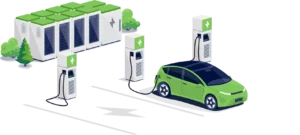
An electric vehicle (EV) is a modern car that runs on battery-powered electricity instead of traditional fossil fuels such as gasoline or diesel. These batteries can be recharged either at home charging units or through public charging stations, making EVs a cleaner and more sustainable alternative for daily mobility.
There are three main types of EVs, each with its own unique value:
- Battery Electric Vehicle (BEV): Operates entirely on electricity, producing zero tailpipe emissions 🌍. Ideal for drivers who prioritize sustainability and access to reliable charging networks.
- Plug-in Hybrid Electric Vehicle (PHEV): Combines a rechargeable electric motor with a traditional fuel engine. This gives drivers the flexibility to switch between electric driving for short commutes and fuel for longer trips.
- Hybrid Electric Vehicle (HEV): Uses both electricity and fuel, with the battery recharged internally through regenerative braking and engine power. HEVs are practical for those who want better fuel efficiency without relying on external charging.
By understanding these categories, you can better identify which EV aligns with your lifestyle, budget, and driving needs—whether you’re aiming for sustainability, cost savings, or simply embracing the future of transportation 🚘.
Key Components of an Electric Vehicle (EV)
Understanding the core components of an electric vehicle is essential to see how performance, efficiency, and safety all come together. Four main elements make up the backbone of every EV:
1. The Battery – The Heart of the EV
The Lithium-ion battery stores the vehicle’s energy, directly determining its driving range. Its lightweight design and long lifespan make it the most widely used option in modern EVs, enabling extended mileage with reduced weight.
2. The Electric Motor – Power in Motion
The motor transforms electrical energy into mechanical force, driving the wheels. Its advantages include:
- Higher efficiency compared to combustion engines.
- Instant torque that delivers rapid acceleration .
- A quiet and smooth ride, enhancing driver comfort.
3. The Charging System – Keeping the EV Moving
EVs rely on different charging methods tailored to driver needs:
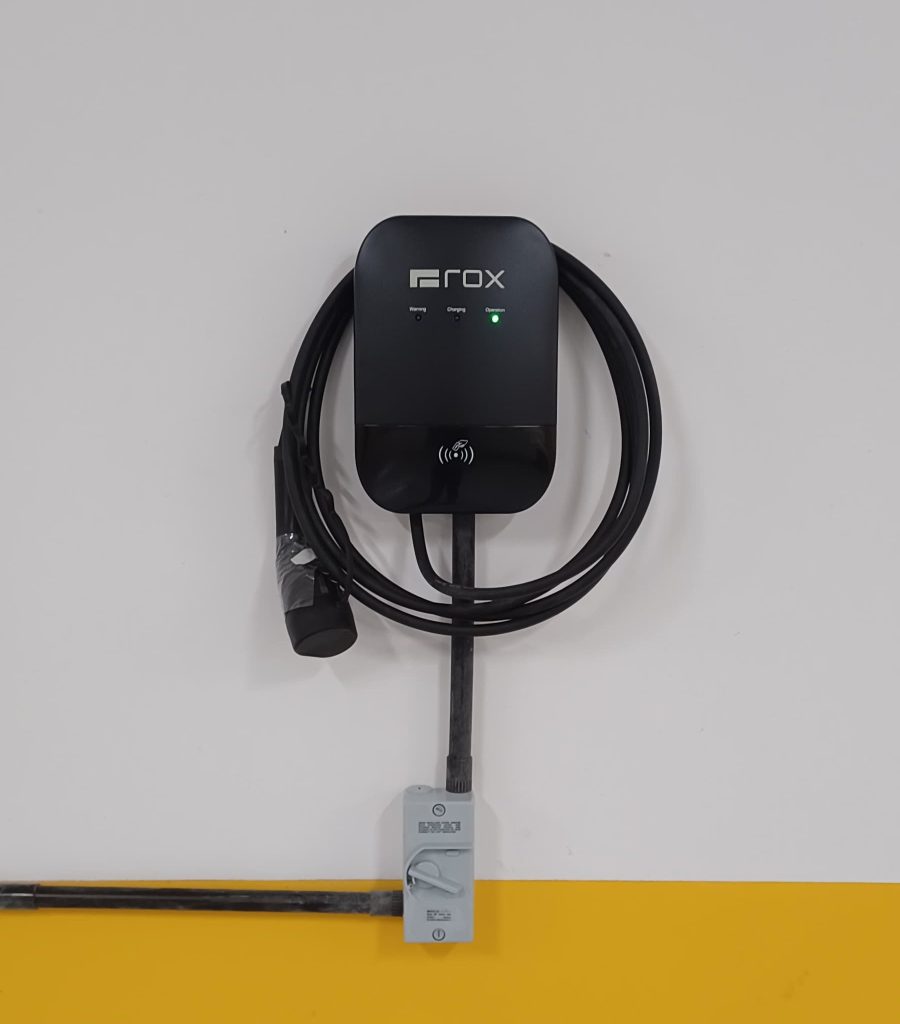
- Home Charging (AC): Convenient, overnight charging using standard outlets or wall units.
- Fast Charging (DC): Available at public stations, significantly cutting down charging time for long trips.
4. The Electronic Control Unit (ECU) – The Brain of the EV
The ECU manages the flow of electricity between the battery and the motor, oversees vehicle performance, and ensures safe, optimized operation at all times.
✨ Together, these components form the foundation of every EV—balancing power, efficiency, and safety to deliver a modern driving experience.
How Does an Electric Vehicle (EV) Work?
At its core, the operation of an electric vehicle is both simple and highly efficient. The process follows a seamless flow of energy:
- Charging the Battery: Electricity is supplied to the Lithium-ion battery through either home chargers or public charging stations. Depending on the method, charging time can vary from a few hours (AC) to less than 30 minutes with fast DC chargers.
- Energy Transfer: Once charged, the battery stores and delivers energy to the Electronic Control Unit (ECU), which serves as the EV’s central “operating system.”
- Power Distribution: The ECU intelligently regulates how much energy is directed to the electric motor, balancing performance, efficiency, and safety.
- Propulsion: The motor converts this electrical energy into mechanical energy, producing instant torque that drives the wheels forward smoothly and powerfully.
To put it simply, an EV works much like a smartphone on wheels —you need to recharge it regularly, but in return, you gain consistent performance, zero tailpipe emissions, and lower running costs compared to traditional cars.
Beyond this basic cycle, modern EVs also feature:
- Regenerative Braking: Converts kinetic energy during braking back into electricity, recharging the battery while extending driving range.
- Thermal Management Systems: Maintain optimal battery temperature to improve lifespan and ensure consistent performance in hot or cold climates.
- Smart Software Integration: Allows real-time monitoring, remote updates, and even predictive diagnostics to enhance reliability.
✨ Together, these elements create a highly efficient ecosystem, where every unit of electricity is optimized to deliver maximum range, performance, and sustainability for the driver.
Advantages of Electric Vehicles (EVs)
Switching to an electric vehicle offers more than just a modern driving experience—it delivers tangible benefits across environmental, financial, and performance dimensions:
Environmentally Friendly
EVs produce zero tailpipe emissions, helping to reduce both carbon footprint and urban air pollution. This is particularly crucial in large Saudi cities such as Riyadh and Jeddah, where improved air quality directly contributes to better public health and supports the Kingdom’s Vision 2030 sustainability goals.
Lower Running Costs
Charging an EV is typically far cheaper than refueling with gasoline, especially with off-peak home charging tariffs. In addition, EVs have fewer moving parts, which means:
- Minimal maintenance compared to combustion engines.
- Lower risk of costly repairs.
- Long-term savings that add up significantly over the vehicle’s lifetime.
Superior Performance and Comfort
Electric vehicles are designed to deliver both power and refinement:
- Instant torque provides rapid acceleration, making city driving more dynamic and highway overtakes effortless.
- The smooth and silent ride creates a more relaxing driving experience for both driver and passengers.
- Many EVs come with advanced smart-driving features, from adaptive cruise control to semi-autonomous capabilities, enhancing safety and convenience.
✨ In short, EVs combine sustainability, cost efficiency, and cutting-edge performance into one package. For Saudi drivers, they represent not just a car, but a future-ready lifestyle choice—aligning personal convenience with national sustainability initiatives.
Current Challenges of Electric Vehicles (EVs) ⚡
While electric vehicles provide clear environmental and financial advantages, they also face a set of practical challenges that still influence consumer adoption today:
Charging Time
Unlike traditional cars that refuel in minutes, EVs can take several hours to fully recharge—even with faster AC home chargers. Although fast DC charging stations reduce this to 30–40 minutes, drivers must still plan their routes and schedules around charging availability.
Infrastructure Expansion
In Saudi Arabia, the public charging network is growing but not yet widespread. Major cities such as Riyadh and Jeddah are beginning to see more charging hubs, but drivers traveling across long highways or rural areas may face range anxiety due to limited access. Government and private-sector initiatives are accelerating this build-out, yet it remains a key short-term hurdle.
Initial Purchase Cost
EVs typically carry a higher upfront price tag compared to traditional cars, largely due to the cost of advanced Lithium-ion batteries. Although long-term fuel and maintenance savings often balance this out, the initial investment can discourage buyers without financing options or government incentives.
🔋Battery Lifecycle and Replacement
Beyond the sticker price, the battery’s lifespan and replacement cost remain a concern for many consumers. While most EV batteries last 8–12 years, replacement can be expensive, and recycling infrastructure is still developing.
✨ Despite these challenges, industry trends point toward rapid improvements: faster charging technologies, expanded charging infrastructure, and declining battery costs. For Saudi consumers, this means today’s limitations are likely to transform into tomorrow’s opportunities—making EVs a smarter, more practical choice with every passing year.
Conclusion
Electric vehicles are not just a global trend—they are the future of transportation in Saudi Arabia. With clear environmental and financial benefits, and the ongoing expansion of charging infrastructure, EV adoption is expected to rise steadily. For individuals and businesses alike, now is the perfect time to explore EV solutions.
👉 At LoopGate, we provide tailored EV charging solutions to support Saudi Arabia’s sustainable future. Contact us today to learn more.